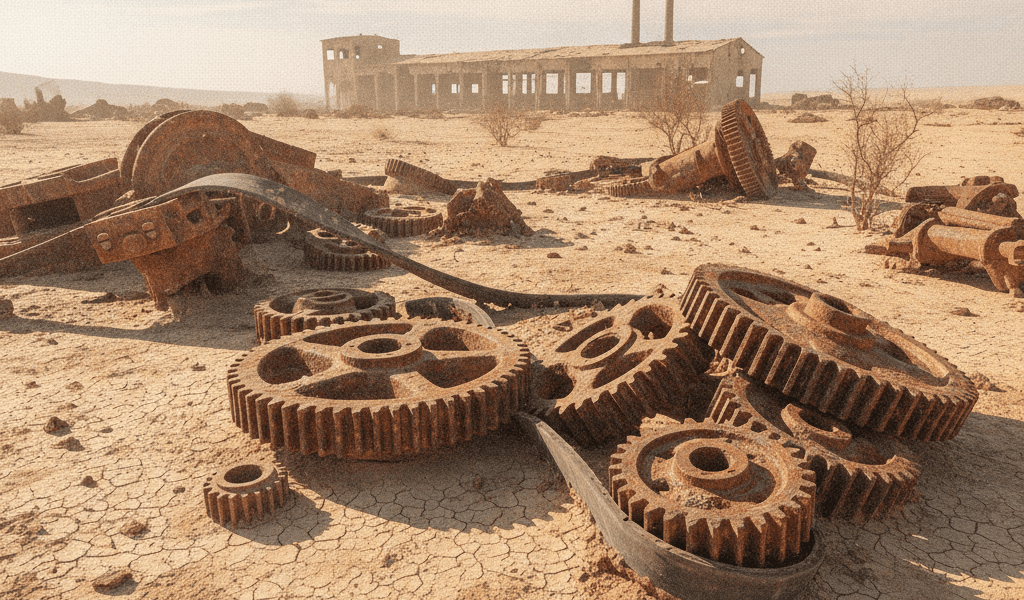

Life is a complex system and like any system there are parts bound to wear out. This is a fundamental truth we face in many aspects of our existence. From the smallest gears in our personal routines to the larger mechanisms that support our homes and travels understanding this concept is vital.
I have learned through my experiences that recognizing the signs of wear is the first step. Ignoring small issues often leads to bigger more costly problems down the road. This applies to our physical health our financial well-being and even the appliances we rely on every day.
This article will explore how the principle of parts bound to wear out applies across different areas of our lives. We will look at practical steps to mitigate this natural process. My goal is to equip you with the knowledge to maintain these critical components for a longer more resilient life.
Understanding the Universal Principle of Wear and Tear
The concept of wear and tear is not limited to machines. It is a universal principle that impacts everything from natural landscapes to human relationships. I often think about how the constant flow of a river slowly shapes the rocks in its path. This is a perfect example of natural wear and tear in action. Over time even the strongest materials yield to persistent forces.
In our daily lives this principle manifests in various forms. Our car tires gradually lose their tread. The paint on our homes fades under the sun. Even our favorite pieces of clothing become thin and frayed with repeated use. These examples highlight an unavoidable aspect of existence so we must acknowledge it to prepare.
When we ignore the signs of inevitable wear we risk sudden failure. A small crack in a foundation can become a major structural issue if left unaddressed. A squeaky belt in an engine can lead to a complete breakdown. It is about understanding that decay is a process not an event.
Recognizing Early Warning Signs
I always advise people to be observant of their surroundings. Early warning signs are often subtle. They might be a strange noise coming from an appliance or a slight dip in energy levels. These small indicators are crucial because they offer a chance to intervene before a problem escalates.
Developing a habit of regular checks and inspections can save considerable time and money. It also helps prevent unexpected disruptions. Think of it as a form of preventive medicine for your possessions and your well-being. Proactive care is always better than reactive repair.
Physical Components Our Bodies as Systems That Degrade
Our bodies are perhaps the most intricate systems with parts bound to wear out. Daily stresses environmental factors and the natural aging process all contribute to this inevitable decline. I have seen firsthand how neglecting physical health leads to significant long-term consequences. It is a journey of constant adaptation and self-care.
From our joints to our internal organs every part of our body experiences wear. Our bones can lose density. Our muscles can weaken. Our cardiovascular system faces strain. These are all natural aspects of living but how we live can greatly influence the rate of this wear.
Proper nutrition regular exercise and sufficient rest are not merely suggestions. They are essential maintenance routines for our biological machines. I make sure to prioritize these elements in my own life. They are fundamental building blocks for resilience against physical deterioration.
The Impact of Lifestyle Choices
I believe lifestyle choices play a significant role in how quickly our bodies degrade. Eating a balanced diet rich in nutrients provides the fuel and building blocks our cells need to repair and regenerate. Conversely a diet high in processed foods and sugars can accelerate inflammation and cellular damage.
Physical activity keeps our cardiovascular system strong our muscles toned and our joints flexible. Even moderate exercise like daily walking or swimming can make a profound difference. I know that consistent movement helps maintain mobility and reduces the risk of chronic conditions.
Sleep is another critical component often overlooked. It is during sleep that our bodies perform most of their repair work. Chronic sleep deprivation can weaken the immune system impair cognitive function and speed up the aging process. So a good night’s rest is not a luxury it is a necessity.
Maintaining Your Home Keeping Critical Systems Running Smoothly
A home is a collection of systems each with its own parts bound to wear out. From the roof above your head to the plumbing beneath your feet consistent maintenance is the key to longevity. I have learned that a little attention now can prevent a huge headache later. It is a smart investment of time and effort.
Think about your heating and cooling systems your electrical wiring and your water heater. These are all complex units that perform vital functions. They are constantly at work and they accumulate wear over time. Ignoring them will inevitably lead to costly repairs or replacements.
For example I have seen many homeowners struggle with their air conditioning units. These systems work hard especially during hot weather and they contain many delicate components. Knowing about the most common AC part to fail can save you a lot of trouble. Regular checks and timely repairs keep everything functioning efficiently.
Essential Home Maintenance Tasks
I recommend creating a seasonal maintenance checklist for your home. This helps you stay on top of tasks and ensures no critical areas are overlooked. Simple things like cleaning gutters inspecting seals around windows and doors and testing smoke detectors can make a big difference.
For plumbing systems I suggest checking for leaks regularly and being mindful of what goes down your drains. For electrical systems I advise against overloading outlets and having a professional inspect your wiring every few years. These small habits extend the life of your home’s infrastructure.
Financial Health Preventing Your Resources From Eroding
Just like physical objects our financial systems also have parts bound to wear out if not managed carefully. Inflation market fluctuations and unforeseen expenses can all erode our wealth over time. I understand that financial planning is not a one-time event but a continuous process of monitoring and adjustment.
Saving investing and budgeting are the pillars of financial stability. But these tools themselves need regular attention. A budget that worked last year might not be effective this year because of changing income or expenses. An investment portfolio needs rebalancing as market conditions shift.
I believe that neglecting your finances is akin to letting a leaky faucet drip without repair. The small constant losses eventually add up to a significant amount. Being proactive about your money means regularly assessing your situation and making informed decisions to protect your assets.
Building a Resilient Financial Strategy
I encourage everyone to develop a clear financial strategy. This involves setting realistic goals understanding your income and expenses and building an emergency fund. An emergency fund is like a shock absorber for your finances helping you weather unexpected setbacks without derailing your long-term plans.
Regularly reviewing your bank statements credit reports and investment performance is also crucial. This allows you to identify any discrepancies or areas where adjustments might be needed. It is about staying informed and taking control of your financial future.
Travel and Adventure Protecting Your Experiences and Gear
When it comes to travel and adventure we often rely on specialized gear and meticulous planning. These too have parts bound to wear out. A worn backpack strap or a poorly maintained camping stove can turn an exciting adventure into a challenging ordeal. I always emphasize the importance of preparation.
My travel experiences have taught me that even the most robust equipment has a lifespan. Backpacks endure countless miles. Hiking boots brave rough terrain. Cameras withstand various climates. Each trip adds a bit more wear so proper care extends their usability.
Beyond physical gear the “parts” of a travel experience can also wear out. This might mean failing to plan for unexpected delays or not budgeting enough for local transport. These small oversights can dampen the enjoyment of a trip. So careful planning is a form of protection.
Maintaining Your Travel Equipment
I always inspect my gear before and after every trip. This includes checking zippers seams and buckles on my luggage. For outdoor equipment like tents or sleeping bags I ensure they are clean and dry before storage. This prevents mold and extends their life.
Carrying a small repair kit with items like duct tape a multi-tool and some cordage can be a lifesaver. Minor issues like a small tear in a tent or a loose screw on a piece of equipment can often be fixed on the spot. This preparedness reduces reliance on finding replacements in unfamiliar places.
The Emotional and Mental Toll Internal Parts Bound To Wear Out
Our emotional and mental well-being also consists of parts bound to wear out if we do not provide adequate care. Constant stress lack of self-care and overwhelming responsibilities can lead to burnout and emotional fatigue. I see this as a critical area where preventive maintenance is paramount.
Our minds and spirits are not infinite resources. They need periods of rest rejuvenation and intentional nourishment. Just like a physical muscle they can become strained and overused. Ignoring these signs of mental and emotional wear can lead to more serious issues like anxiety or depression.
I firmly believe that cultivating a balanced lifestyle is essential for mental resilience. This includes setting boundaries prioritizing self-care activities and seeking support when needed. It is about understanding our internal limits and respecting them.
Strategies for Mental and Emotional Renewal
I practice regular self-reflection to gauge my mental and emotional state. Activities like meditation journaling or simply spending time in nature help me recharge. These are not luxuries but necessary practices to keep my internal systems running smoothly.
Engaging in hobbies connecting with loved ones and taking breaks from work are also vital. These activities provide a necessary counterbalance to the demands of daily life. I find that purposefully stepping away from stressors allows my mind to recover and strengthens my ability to cope with future challenges.
Proactive Measures for a Resilient Life
The reality is that everything around us and within us has parts bound to wear out. This is not a cause for despair but an invitation to embrace a proactive mindset. By understanding this fundamental truth we can take intentional steps to slow down the process of degradation and extend the lifespan of our possessions our health and our happiness. I encourage everyone to adopt a habit of regular inspection and maintenance in all areas of their lives. Create those checklists and schedule those preventative appointments. Address small issues before they become big problems because it truly makes a difference. Invest in quality when it matters knowing that good products often last longer. But also remember that even the best items need care. Consider both the tangible and intangible aspects of your life that need nurturing. Your physical body your home your finances your travel experiences and your mental well-being all deserve your attention. Embrace consistency and mindfulness in your approach. By doing so you will build a foundation for a more resilient and fulfilling life. Start today by identifying one area where you can implement a new maintenance habit. The effort is worth it.