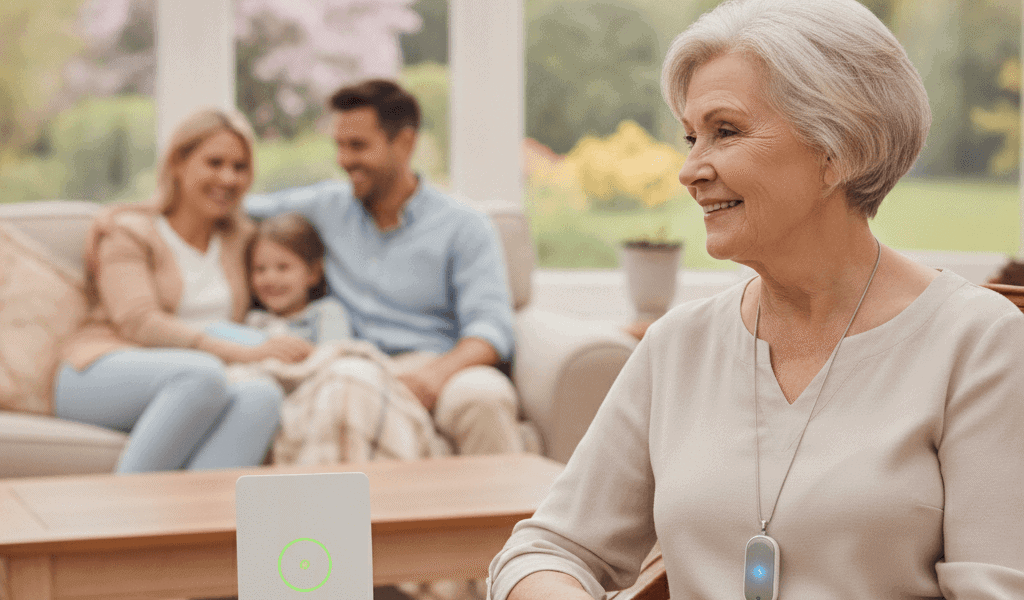

As we age, our desire to maintain independence remains strong. Many seniors want to stay in their homes, a place filled with cherished memories and comfort. This wish is understandable and important. However, it often brings concerns for family members who worry about potential accidents or emergencies when no one is around.
My goal today is to talk about how modern technology offers solutions. These systems do more than just call for help. They provide a vital layer of protection that respects a senior’s autonomy. This allows everyone involved to breathe a little easier.
The right safety setup can make a big difference. It helps seniors continue living life on their own terms. It also gives their loved ones valuable peace of mind. We can achieve this balance with thoughtful choices and reliable support.
Understanding the Need for Senior Safety Systems
Aging brings various challenges. One major concern is the increased risk of falls. A fall can lead to serious injuries, sometimes even changing a person’s life drastically. Statistics show that many seniors experience falls at home. These events often happen when least expected. It is a frightening thought for both seniors and their families.
Beyond falls, other medical emergencies can occur suddenly. A heart attack, a stroke, or a sudden illness requires immediate attention. Every second counts in these situations. Waiting too long for help can have dire consequences. I understand this worry because I have seen it impact many families.
Family caregivers carry a heavy load. They constantly balance their own lives with the need to check on elderly parents or relatives. This constant concern creates stress and anxiety. Knowing a safety system is in place helps lift some of this emotional burden. It means they do not have to be physically present at all times to ensure safety. This is a huge relief for everyone.
Common Hazards at Home
Many homes were not built with senior safety in mind. Throw rugs can trip someone. Poor lighting makes hallways dangerous. Bathrooms are especially risky with slippery floors and hard surfaces. Stairs become difficult to navigate. Small changes can prevent big problems. Sometimes, even simple tasks become hazards. I have heard stories of seniors struggling to reach something from a high shelf.
Older adults may also forget to turn off appliances or lock doors. This adds another layer of risk. Fires or security breaches are real possibilities. These everyday situations highlight why a proactive approach to safety is essential. It is about creating an environment where risks are minimized. It helps everyone feel more secure.
The Emotional Toll on Caregivers
Caregivers frequently feel stretched thin. They love their family members but the constant worry wears them down. They might call several times a day to check in. They visit frequently. This ongoing vigilance can affect their own health and well-being. It can strain relationships because they have less time for other things.
I know many caregivers wish they could clone themselves. They want to be everywhere at once. A senior safety system provides an extra set of eyes and ears. It offers reassurance that help is available even when they cannot be there. This support allows caregivers to regain some balance in their lives. It helps them provide better care without burning out.
Core Features of a Reliable Senior Safety System
When I think about a good senior safety system, certain features stand out. These elements work together to provide comprehensive protection. The goal is to cover as many potential risks as possible. It helps create a truly safe living space for seniors.
First and foremost, the system needs to be easy to use. Seniors should not struggle with complex buttons or interfaces. A simple, clear design encourages regular use. This is crucial for its effectiveness. Look for straightforward devices. They make emergency calls without confusion. This is where you can find reliable senior safety systems that offer these essential benefits.
Another important aspect is reliable connectivity. Whether it uses a landline, cellular service, or Wi-Fi, the system must work when needed. Power outages or internet disruptions should not disable it. Many systems include battery backups. This keeps them running even if the electricity goes out. I always advise checking these technical details carefully.
Emergency Response Capabilities
The heart of any senior safety system is its ability to summon help quickly. Most systems feature a wearable button, like a pendant or wristband. This button connects directly to a monitoring center or pre-programmed contacts. Pressing it immediately alerts trained professionals. They can then assess the situation and dispatch emergency services if necessary. This swift response is vital during a crisis.
Some systems offer two-way communication through the device itself. This allows the senior to speak directly with the operator. They can explain what happened. This personal touch provides comfort and allows for a more accurate response. It means help arrives faster and with the right resources. This type of direct communication removes guesswork. It ensures precise and timely assistance.
Activity Monitoring Benefits
Beyond emergency buttons, some systems offer activity monitoring. This is not about surveillance. It is about detecting unusual changes in daily routines. Sensors placed around the home can track movement patterns. For example, if a senior usually gets up at 7 AM but the system detects no movement by 10 AM, it can send an alert. This subtle monitoring helps identify potential issues without invading privacy. It works quietly in the background.
These systems can also learn a person’s habits over time. They understand what is normal. This reduces false alarms. It provides an extra layer of reassurance for family members. They know if something out of the ordinary happens. It means peace of mind without constant check-ins. This data helps families understand patterns. They can intervene when needed.
Beyond Basic Alerts: Advanced Technologies
Safety systems for seniors have come a long way. They offer much more than simple emergency buttons. Today’s technologies use smart features to provide better protection. These innovations help address specific needs that seniors often face. They enhance safety in ways we could only dream of before. I find these advancements truly impressive.
Fall detection is a game-changer. Many systems include sensors that automatically detect a fall. They do not require the senior to press a button. This is especially helpful if someone is unconscious or unable to reach their device after a fall. The system can be worn on the body. It detects sudden impacts. Then it sends an alert. This automatic detection removes a lot of worry.
GPS capabilities are another significant advancement. These systems allow caregivers to locate a senior quickly. This is crucial for those with memory issues. It brings immense relief to families. I have heard many stories where GPS saved lives. It is a powerful tool for preventing dangerous wandering incidents.
GPS Tracking for Dementia Patients
For seniors living with dementia or Alzheimer’s disease, wandering can be a serious risk. They might become disoriented and lost. A GPS-enabled safety system can track their location in real-time. This technology is often integrated into wearable devices. These could be watches or pendants. Caregivers can set up safe zones. If the senior leaves these zones, an alert is sent immediately. This helps bring them back to safety quickly.
The system respects privacy while providing essential protection. It is not about restricting freedom. It is about ensuring safety for vulnerable individuals. This allows seniors to retain some independence. Their families know they are safe. It reduces stress for everyone involved. This technology gives a sense of control back to families.
Smart Home Integration
Modern senior safety systems can connect with smart home devices. This creates a more integrated and protective environment. Imagine lights that turn on automatically when someone gets out of bed at night. Or smart locks that can be controlled remotely. These features reduce common household risks. They also add convenience to daily life.
Environmental sensors can detect smoke, carbon monoxide, or even unusual temperature changes. These alerts go directly to the monitoring center. They also inform family members. Smart home integration creates a truly comprehensive safety net. It offers a level of care that goes beyond traditional systems. I see this as the future of senior safety. It uses technology to make daily living much safer and more comfortable.
Choosing the Right System for Your Loved One
Picking the best senior safety system can feel overwhelming. There are so many options available today. The key is to focus on what truly matters for your specific situation. Every senior has unique needs and preferences. What works well for one person might not be ideal for another. I always advise a careful assessment before making a decision.
Start by talking with your loved one. Their comfort and willingness to use the system are paramount. If they resist it, even the most advanced technology will be useless. Involve them in the decision-making process. This helps ensure they feel respected and heard. It also increases the likelihood of consistent use. Their input is incredibly valuable.
Consider their health conditions. Do they have a history of falls? Are they living with a chronic illness that might require frequent medical attention? These factors will guide your choice. A system with automatic fall detection is crucial for someone prone to falling. For a senior with heart issues, a medical alert button is essential. Think about their daily habits too. Do they spend a lot of time outdoors? Then a system with GPS tracking would be very beneficial.
Assessing Individual Needs
I suggest making a list of priorities. Think about the most pressing safety concerns. Is it the risk of a fall? Or perhaps the need for medication reminders? Is wandering a worry? Once you identify these core needs, you can narrow down your options. This approach helps you focus on features that truly matter.
Also consider their lifestyle. Is your loved one tech-savvy? If not, a simple, voice-activated system might be better. Do they live alone or with others? A multi-user system could be useful in a shared living situation. These personal details make a big difference. They help match the technology to the person. It creates a seamless experience for them.
Considering Cost and Service Plans
Safety systems come with different price tags and service plans. There is often an upfront cost for equipment. Then there are monthly monitoring fees. These fees vary widely depending on the features included. Some plans offer basic emergency response. Others provide advanced monitoring with daily check-ins. I always recommend getting detailed quotes from several providers.
Compare not only the cost but also what each plan offers. Look for transparency in pricing. Are there hidden fees? What is the contract length? Understanding these financial aspects is crucial for making an informed decision. Remember that investing in a reliable system is an investment in peace of mind. It is a worthwhile expense for the safety and well-being of your loved one.
The Impact on Independence and Quality of Life
Many people worry that a senior safety system will make their loved one feel less independent. I have found the opposite to be true. These systems often enhance independence. They provide a safety net that encourages seniors to continue living full, active lives in their own homes. Without this safety net, families might insist on moving them to assisted living. This is a big change for anyone.
Knowing that help is just a button press away gives seniors confidence. They feel more secure pursuing hobbies or simply moving around their home. This feeling of security fosters greater freedom. It reduces fear of the unknown. It allows them to focus on enjoying life. This is a very positive outcome for everyone involved.
It also reduces stress for seniors themselves. They know they are not a burden. They feel empowered by the technology. This contributes significantly to their overall well-being. A sense of control over one’s life is important at any age. It boosts self-esteem and happiness. These systems actively support that control.
Maintaining Dignity and Freedom
Allowing seniors to stay in their familiar surroundings helps maintain their dignity. It honors their preferences. They can keep their routines. They can remain connected to their communities. A safety system provides the support needed to make this possible. It bridges the gap between independence and necessary care. I believe this is a truly respectful approach to aging.
Family members often struggle with the idea of “taking away” their loved one’s independence. A safety system offers a compromise. It provides protection without imposing constant supervision. Seniors can continue making their own choices. They do so with an added layer of security. This freedom is invaluable. It helps seniors feel respected and valued.
Reducing Hospital Readmissions
Prompt attention to emergencies prevents many serious health declines. If a senior falls and gets help quickly, they are less likely to suffer severe complications. This reduces the need for extended hospital stays or readmissions. Early intervention often means a faster recovery. It helps them return home sooner. This benefits everyone involved.
The financial burden of frequent hospital visits can be significant. A good safety system can help lower these costs. It promotes better health outcomes. It supports quicker healing. This is a practical benefit for families. It is also good for the healthcare system. Prevention is always better than cure. These systems are a form of proactive health management.
Gain True Serenity
Finding serenity in the golden years is a goal for many seniors and their families. It means living life with confidence and without constant worry. Modern senior safety systems are key to achieving this peaceful state. They offer more than just emergency alerts. They provide a comprehensive safety net that adapts to individual needs and lifestyles. I have seen firsthand how these technologies can transform lives. They bring comfort to seniors and reassurance to their loved ones.
From simple wearable devices to sophisticated smart home integrations, the options are varied. They cater to different levels of need and comfort with technology. Automatic fall detection, GPS tracking for wandering, and two-way communication all contribute to a safer environment. These features empower seniors to maintain their cherished independence. They continue living in their homes. This improves their overall quality of life. It also reduces the immense stress often felt by family caregivers. They know their loved ones are protected even when they cannot be physically present. This is a profound relief.
I encourage you to explore these options for the seniors in your life. Take the time to assess their unique needs and involve them in the decision. A thoughtful choice in a senior safety system is an investment. It is an investment in their safety, their dignity, and the peace of mind for everyone who cares about them. Let us embrace these tools. We can create a future where aging is met with greater confidence and serenity. Begin this important conversation today.