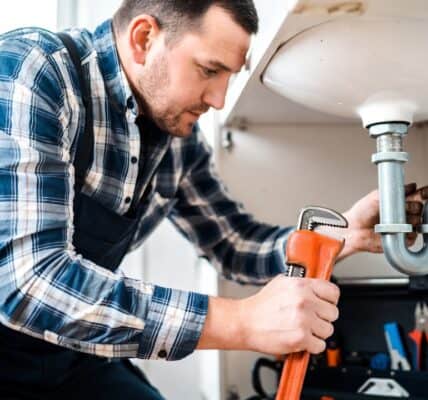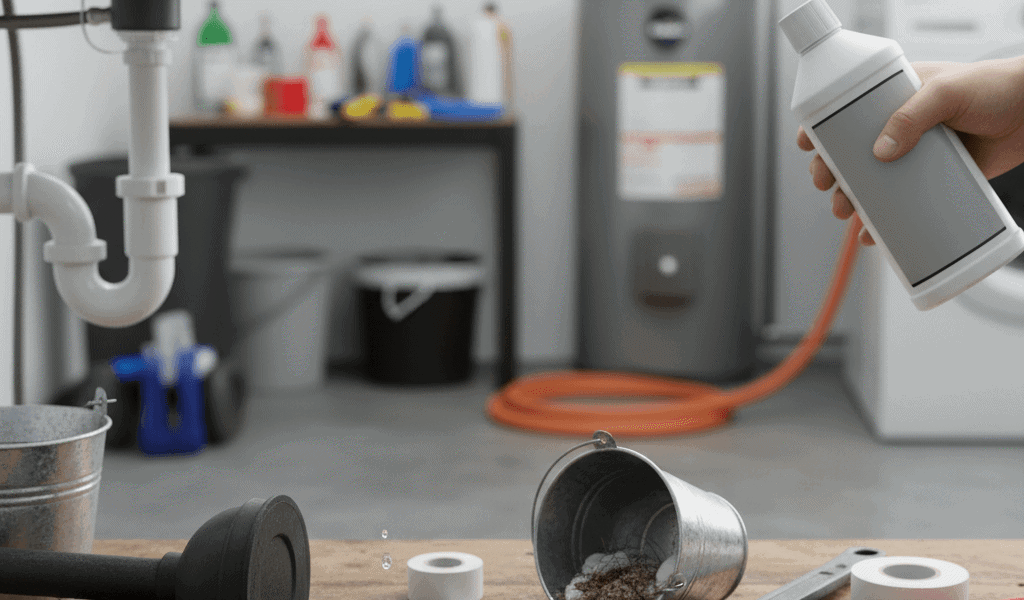

Most homeowners will face common household plumbing needs at some point. Small problems like a dripping faucet or a slow drain often start as minor annoyances and can grow into larger headaches if ignored. Understanding typical issues and having a plan for quick repair or reliable service can save time, water, and money.
This article walks through the usual plumbing demands you might see around your home and offers clear steps you can take right away. It includes practical tips for small repairs, signs that call for professional attention, and ways to reduce emergency visits. Use these ideas to keep systems working smoothly and to make confident choices when work requires outside help.
Common Household Plumbing Needs at a Glance
Thinking about common household plumbing needs helps homeowners prioritize inspections and small fixes. Typical items include leaking fixtures, clogged drains, running toilets, water heater maintenance, and pipe leaks. These cover most calls that a residential plumbing service receives. Awareness of each one and its likely causes will help you decide when to try a DIY remedy and when to get professional help.
- Leaky faucets that waste water and raise bills
- Slow or clogged drains caused by hair, grease, or foreign objects
- Toilet problems like running tanks or partial clogs
- Water heater issues including sediment buildup and insufficient hot water
- Pipe leaks that can lead to staining, mold, and structural damage
Leaky Faucet Fixes and When to Call a Pro
A dripping faucet is one of the most frequent plumbing complaints and is often solvable without specialized tools. Usually the culprit is a worn washer, loose packing nut, or mineral buildup in the valve seat. For compression faucets the washer is a common replacement item. Cartridge and ball types may need replacement cartridges or seals.
If the leak continues after simple parts replacement, or if water stains or corrosion appear on surrounding counters, it is wise to call a trained technician. Persistent leaks can signal more complex valve or supply line damage that requires diagnostic equipment and experience.
Clogged Drains and Practical Clearing Techniques
Clogged drains range from simple slow drainage to full blockages. Kitchen sinks commonly clog with grease and food build up. Bathroom drains often slow because of hair and soap scum. The right response depends on location and severity.
Quick DIY steps for minor clogs
Start with noninvasive methods. Remove visible debris from the stopper or strainer. Use a plunger designed for the fixture and try a few firm plunges. For kitchen sinks, run hot water after removing grease. A combination of baking soda and white vinegar can help break up organic residue. If you use a hand auger or snake, feed it slowly to avoid damaging pipes.
When to call a professional
Call for service if plunging and basic snaking do not clear the clog, if multiple drains back up at once, or if you notice foul odors that persist. These signs may indicate a deeper obstruction in the main sewer line or a venting problem. A technician can inspect with a camera and recommend repairs that stop recurring clogs.
Toilet Troubles Running, Clogs, and Replacements
Toilet issues are another staple of home plumbing work. A running toilet is often caused by a faulty flapper, incorrect float height, or a worn fill valve. These parts are inexpensive and replaceable in many models. For partial clogs a plunger usually works well. For repeated clogs consider the type of paper used and whether small items may have been flushed.
Older toilets may waste water and lead to higher bills. Replacing an inefficient model with a modern low flow design can cut water use significantly. If you notice cracking at the base, wobbling, or water seeping during use, a full replacement or reseating of the toilet may be needed to prevent further damage.
Water Heater Care and Typical Service Needs
Water heaters require periodic attention to remain reliable. Common household plumbing needs related to heaters include sediment buildup, failing thermostats, and leaking tanks. Sediment collects in the bottom of the tank over time and reduces efficiency. Flushing the tank once a year helps maintain capacity and extend the unit life.
- Check the temperature setting to avoid scalding and to reduce energy use
- Inspect the pressure relief valve annually for proper operation
- Look for wet spots or corrosion around the base that may indicate the tank is failing
Electric and gas units have different service needs. Gas units require a safe burner and venting check. If you notice rust colored water, reduced hot water supply, or strange noises from the tank, schedule an inspection to evaluate parts and possible replacement options.
Pipe Leaks Water Damage and Quick Inspection Tips
Pipes behind walls and under floors can leak slowly for weeks before visible signs appear. Catching leaks early reduces repair scope. Look for discolored paint, swelling drywall, or a musty smell. Flooring that warps or softens is a red flag. Outside, a sudden increase in water bills without an obvious change in usage often points to an unseen leak.
Simple checks you can perform
Monitor your water meter when no fixtures are in use. If the meter moves, you may have a leak. Check under sinks and around appliances for dripping during and after use. Inspect visible pipe joints and valves for small beads of moisture that indicate weeping joints.
Temporary fixes before professionals arrive
For a small, slow leak you can shut off the water supply to the affected fixture or the main supply if necessary. Apply plumber tape to threaded joints and a repair clamp for a short term hold. These measures buy time until a qualified plumber can make a permanent repair with replacement fittings or new pipes.
Preventive Maintenance That Saves Money Over Time
Regular maintenance reduces the frequency of emergency calls and extends the life of fixtures and appliances. A simple seasonal checklist goes a long way. Flush water heaters, clear trap strainers, inspect supply lines to washing machines and dishwashers, and test shutoff valves under sinks. Replace rubber supply hoses for appliances every five years to reduce burst risk.
- Schedule a professional inspection every one to three years depending on system age
- Keep a basic toolkit that includes a plunger, hand auger, adjustable wrench, and plumber tape
- Label shutoff valves and practice turning them off so you can act quickly in an emergency
When a job requires licensed work such as sewer line repair, gas water heater service, or significant repiping, working with a firm that offers clear pricing and warranty options will give you confidence in the outcome. For local services and fast response, consider checking reviews and licensing records before committing to a contractor. For homeowners near Groveland a local licensed team can be found by visiting Brightwater Plumbing for service details and contact options.
Common Mistakes to Avoid with DIY Plumbing
Trying quick fixes is reasonable for many small plumbing needs but be mindful of common errors. Using chemical drain cleaners often damages pipes and harms septic systems. Oversizing a plunger or applying too much force with a snake can break seals or crack ceramic fixtures. Replacing parts without matching the specific model can lead to leaks and additional expense.
When in doubt, take photos of the current setup, turn off water supplies, and call a professional for guidance. A short consultation can prevent a larger repair job and save money in the long run.
Plumbing covers a wide set of everyday needs that affect comfort, safety, and household budgets. Staying informed about common issues and having a plan for maintenance reduces surprises. Small tools and some basic knowledge address many tasks, while prompt help from a qualified technician solves more complex problems. Keep a list of trusted contacts, know where shutoffs are, and act early on signs of trouble to protect your home.
To summarize, common household plumbing needs include leaky fixtures, clogged drains, toilet repairs, water heater service, and pipe leak detection. Regular checks and basic maintenance reduce callouts and prolong equipment life. If you face a persistent problem or signs of water damage, contact a licensed professional for a complete diagnosis. Taking timely action keeps systems working well and avoids costly repairs later. If you are ready to schedule service or want a professional inspection, reach out to a local plumbing provider for availability and pricing. A quick call or online request will set up an appointment that fits your schedule and helps protect your home.