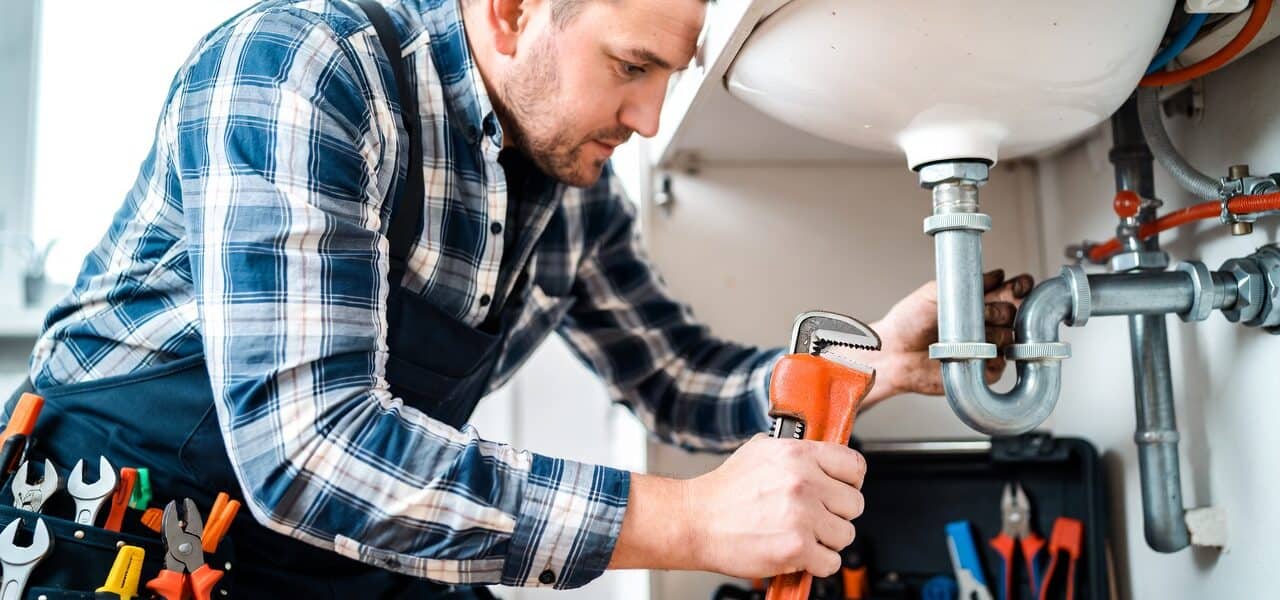

Household plumbing problems pop up when least expected. A shower drain that clogs slowly, a faucet that keeps dripping, or water pressure that suddenly drops can ruin plans and hike bills if ignored. Using simple tools and a few quick checks can fix many common troubles and stop small glitches from turning into costly emergencies. This know-how benefits anyone who wants to save time and money while avoiding messy situations. Dive in and discover how easy it can be to keep your plumbing in tip-top shape before things go sideways.
This article breaks down typical plumbing failures, practical steps to diagnose them, safe temporary fixes, and signs that you need outside help. Read through the examples and tips and you will gain confidence in spotting trouble early and taking the right action so repairs are faster and less costly.
Common household plumbing problems and effective quick fixes
Most calls for plumbing help come from a short list of issues. If you recognize the symptoms early you can limit water damage and cost. Here are frequent problems and what to try first.
- Clogged drains Sink or shower drains that slow or overflow usually respond to a plunger or a hand auger. For bathroom sinks remove the pop up stopper and clean hair and gunk. For kitchen sinks a cup of boiling water followed by a baking soda and vinegar cycle can clear mild grease build up.
- Leaky faucets A dripping faucet often means a worn washer, cartridge, or O ring. Shut off the local water supply and replace the inexpensive internal parts. Keep the old parts with you when shopping to match size and type.
- Running toilets A toilet that keeps running wastes lots of water. Check the flapper seal, lift chain length, and float height. Replacing a worn flapper resolves most cases.
- Low hot water or no hot water Check the water heater breaker or pilot light first. Sediment build up can reduce capacity. Flushing the tank once a year helps, and raising the thermostat a few degrees can sometimes solve mild shortages.
- Visible leaks For small visible leaks tighten fittings, clamp hose connections, or use plumber’s tape. For active pipe leaks shut off the main supply and use a bucket to capture drips until a permanent repair is made.
Tools to keep on hand
- Plunger and sink auger
- Adjustable wrench and channel lock pliers
- Replaceable faucet cartridges and washers
- Plumber’s tape and putty
- Flashlight and bucket
Simple safety tips
Turn off electricity before working near water and always shut the local shutoff valves for fixtures. Wear gloves when handling chemical cleaners. Avoid mixing household chemicals. If a pipe is corroded or soldered, do not try complex soldering without the right training.
How to diagnose the source of leaks and stop water damage
Leaks often reveal themselves as stains, mold, or pooled water. Finding the origin is the first priority so you can limit damage. Start with obvious places then work back along the system.
- Check visible joints under sinks and behind toilets. Tighten connections slightly and inspect for fresh moisture.
- Look at ceilings and walls for discoloration and press gently to test for soft spots. These indicate active or past leaks that may require drywall removal to inspect the pipe.
- Monitor your water meter with all fixtures off. If the meter moves there is likely an unseen leak. This can help determine whether the leak is inside the house or in the supply line between the city and your meter.
When you find the leak you may be able to apply a short term stop gap. Wrap a cloth or rubber patch and secure with hose clamps. For pinhole leaks in copper pipes a commercial repair sleeve or epoxy putty can hold until a full replacement is scheduled. Remember these are temporary measures. The long term fix usually involves replacing the compromised section of pipe.
Dealing with stubborn clogs and drain maintenance
Clogs are one of the most common complaints and the ones owners can often fix without calling out a technician. Knowing when to escalate helps avoid wasted time and potential damage.
- Begin with the plunger. A proper seal and vigorous plunging can clear many toilet and sink clogs. Use a toilet plunger for toilets and a flat bottom plunger for sinks.
- If plunging fails, try a hand auger. A 15 to 25 foot cable is usually enough for household drains. Feed the cable until you feel resistance then crank and pull. This will break apart hair and debris or hook and remove the obstruction.
- Avoid caustic chemical drain cleaners. They can erode pipes over time and create hazardous fumes.
When to use enzyme cleaners
Enzyme or bacterial drain cleaners are a safer option for organic clogs like hair and grease. They work slowly so apply overnight when the sink will be unused. These cleaners will not harm PVC or metal pipes and can be used as a preventive measure once a month in homes prone to buildup.
Preventive maintenance tips
- Use drain strainers in showers and sinks to catch hair and food particles.
- Run hot water after each dishwasher or garbage disposal cycle to flush grease.
- Flush drains periodically with a cup of baking soda and a cup of vinegar followed by hot water.
Water heater care and common failure signs
Hot water is essential and problems with the heater are highly inconvenient. Understanding basic maintenance and warning signs can extend the life of your unit and reduce service calls.
- Tank heaters collect sediment that reduces efficiency and can cause overheating. Flushing the tank once a year removes sediment and can restore capacity.
- An older unit that leaks at the bottom often means internal corrosion. Replacement is usually more economical than repair at that point.
- Short cycling or popping noises often indicate sediment or an overworked burner. Check the temperature setting and lower it to reduce stress on the unit.
For gas models check the vent for obstructions and verify the pilot light is stable. For electric models watch for tripped breakers and check thermostats for correct settings. If you detect rust in the tank or a persistent lack of hot water, plan for a replacement before the unit fails completely.
Low water pressure causes and practical fixes
Low water pressure can come from many sources. Is it the entire house or just one fixture? That question narrows the cause quickly.
- If pressure is low throughout the house check the main shutoff valve and the pressure regulator if you have one. Sometimes regulators fail and restrict flow. A plumber can test and replace regulators.
- If pressure problems are localized, inspect aerators, showerheads, and valves for mineral buildup. Soaking aerators in vinegar removes calcium deposits and often restores flow.
- Corroded or old pipes reduce internal diameter and cut pressure. Copper or galvanized pipes can scale with age. In older homes widespread low pressure often means pipe replacement is the best long term solution.
When to call a pro and what to expect from a service visit
Some jobs are best left to licensed professionals. If you find a burst pipe, a sewer backup, or a leak inside a wall that you cannot access, shut off the water and get outside help. For complex water heater repairs or sewer line problems choose a technician with verifiable license and insurance.
If your issue is beyond a quick part swap or the leak is large contact professional plumbing repair to arrange an inspection. A trained technician will diagnose the root cause, provide a written estimate, and explain repair options including timelines and parts needed.
During a service call expect these steps
- Initial system check and risk assessment
- Leak tracing or camera inspection for drains and sewer lines
- Estimate that lists labor and parts
- Discussion of warranty on work and whether pipe replacement is recommended
Ask the contractor for references, licensing information, and a clear warranty on parts and labor. For larger projects request multiple written estimates so you can compare scopes and costs. Clear communication up front reduces surprises and helps the work move faster.
Cost considerations and budgeting for repairs
Plumbing repair costs vary by complexity, materials, and access. Small faucet or toilet repairs can be low cost if you supply the parts and do the labor. A full sewer line replacement is high cost and may require excavation. For budgeting follow these guidelines.
- Keep an emergency fund for sudden failures like burst pipes. A few hundred dollars can cover a temporary fix and prevent major water damage.
- Plan for gradual upgrades in older homes. Phasing pipe replacement limits the shock to your wallet and reduces the chance of repeated failures.
- Get a second opinion for expensive recommendations. A different technician may present alternate solutions that save money without sacrificing safety.
Maintaining a list of small repairs you do each year helps prioritize bigger projects. Regular maintenance reduces the frequency of emergencies and spreads cost over time.
Repairing household plumbing issues does not have to be a source of constant stress. With basic tools, routine checks, and the right knowledge you can handle many common problems quickly and safely. Learn how to shut off water at the right valves, keep a small tool kit handy, and perform simple maintenance such as tank flushing and aerator cleaning. For complex problems like sewer backups, hidden wall leaks, and major pipe replacement bring in a licensed technician who can provide a durable solution.
If you see signs of active leaks or mold growth act fast to cut the risk of structural damage. Take photographs for insurance if water intrusion is significant. Finally, keep vendor records and receipts for any work done so future service calls are faster and more accurate. If you want help or an inspection schedule a visit from a reputable service to get a clear plan and estimate. Taking action now saves money and reduces headache later.